The construction industry is increasingly turning to flexible and efficient solutions for concrete production, especially in regions with growing infrastructure demands. Among these solutions, compact concrete batching plants have gained widespread popularity due to their versatility, smaller footprint, and ease of deployment. The term “compact” encompasses various models, including mini concrete batching plant and portable concrete batching plant, which are ideal for small- to medium-scale projects, remote locations, or sites with limited space. Buyers searching for concrete mixing plant for sale globally are also exploring these compact options for their efficiency and adaptability.
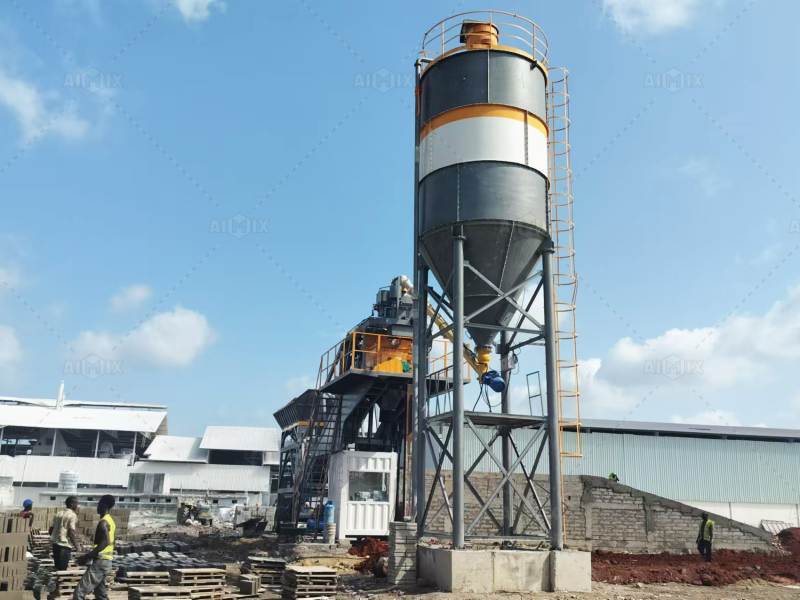
Understanding Compact Concrete Batching Plants
Compact concrete batching plants are designed to deliver high-quality concrete with minimal space and operational requirements. Unlike traditional stationary plants, these systems integrate all core functions—aggregate storage, weighing, mixing, and control systems—into a compact footprint. The primary advantage is mobility and ease of installation, making them suitable for multiple project sites or areas where infrastructure is developing rapidly.
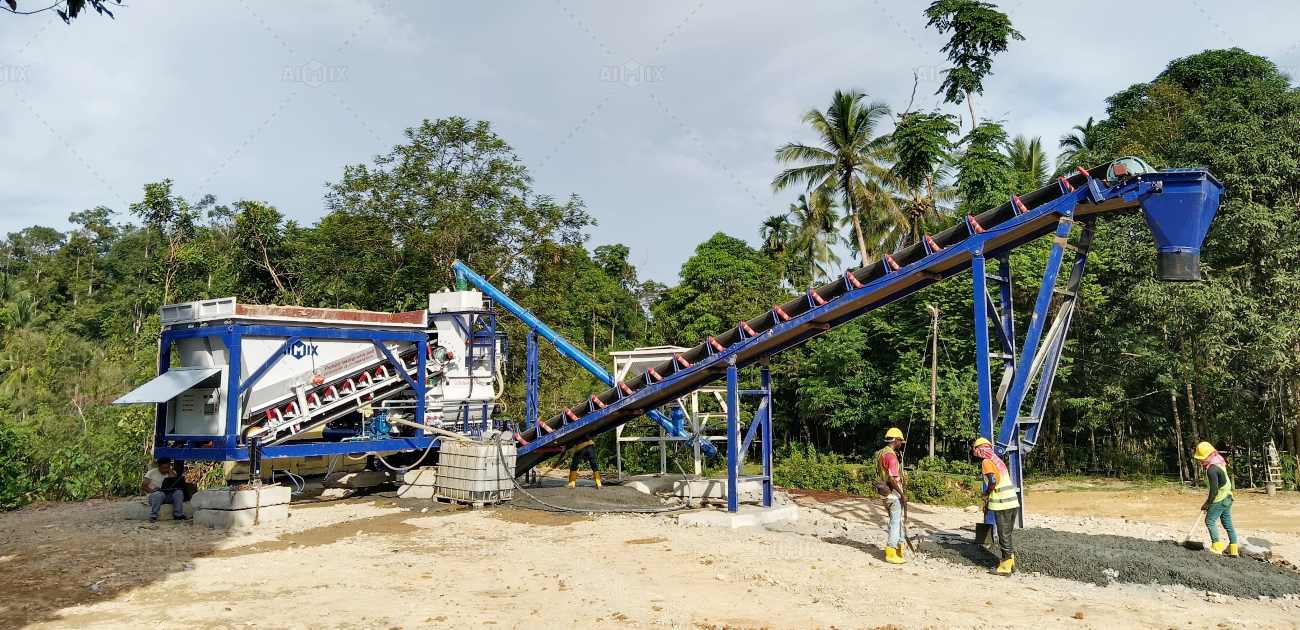
A mini concrete batching plant is ideal for small-scale construction or experimental projects where low investment and quick deployment are critical. On the other hand, a portable concrete batching plant caters to larger construction sites where concrete needs to be produced directly on-site to save transport costs and time. Both types ensure consistent concrete quality while offering operational flexibility.
Regional Demand and Preferences
Different regions exhibit distinct preferences when it comes to compact concrete batching plant technology. These preferences are influenced by factors such as project scale, labor availability, regulatory standards, and local environmental conditions.
-
Asia-Pacific – Countries like the Philippines, Vietnam, and Indonesia are witnessing rapid urbanization and infrastructure growth. Small to mid-sized construction projects are common, making mini concrete batching plant and portable concrete batching plant ideal choices. Contractors prefer compact solutions that can be quickly installed, relocated, and operated with minimal labor. Additionally, buyers in these regions often prioritize suppliers offering reliable concrete mixing plant for sale with localized service support.
-
Africa – In many African countries, construction projects are often spread across remote or rural areas with limited infrastructure. Here, mobility and versatility are paramount. Portable concrete batching plants dominate due to their ability to operate in locations without permanent concrete facilities. Compact designs reduce the need for large, permanent setups while allowing for on-site concrete production, ensuring project timelines are met efficiently.
-
Europe – European contractors tend to emphasize sustainability, automation, and compliance with stringent environmental regulations. Compact plants in Europe are often equipped with dust collection systems, automated controls, and energy-efficient mixers. While mini concrete batching plant models are popular for smaller renovation or urban projects, portable units are valued for their ability to adapt to diverse urban landscapes without disrupting surrounding areas.
-
North America – In the United States and Canada, construction projects range from large commercial developments to municipal works. There is a growing preference for compact batching plants that integrate advanced monitoring systems and automated controls. The portability factor is attractive for contractors handling multiple projects simultaneously, allowing for concrete mixing plant for sale to be deployed quickly across sites.
-
Australia – Regional and remote infrastructure development projects drive demand for portable concrete batching plant solutions. Contractors often require on-site concrete production to reduce logistics costs, and compact plants are preferred due to their lower setup times and mobility. In addition, buyers look for mini concrete batching plant options for small-scale housing projects or experimental constructions in regional areas.
Factors Influencing Regional Preferences
Several key factors explain why different regions have distinct preferences for compact concrete batching plants:
-
Project Scale – Smaller projects favor mini or portable plants for cost-effectiveness, while medium-sized sites require slightly larger mobile systems.
-
Mobility Requirements – Regions with multiple dispersed projects benefit from portable concrete batching plants that can be relocated easily.
-
Labor and Expertise Availability – Compact plants with automated controls are preferred in regions with limited skilled labor.
-
Environmental and Regulatory Compliance – European and North American markets prioritize energy efficiency, dust control, and adherence to local regulations.
-
Local Material and Climate Conditions – Plant design and mixer capacity may vary depending on the type of aggregates and regional climate.
Choosing the Right Compact Plant
When selecting a compact concrete batching plant, buyers should evaluate several aspects:
-
Production Capacity – Match plant output with project requirements to ensure efficient operations.
-
Ease of Installation and Maintenance – Quick setup and low maintenance minimize downtime.
-
Automation Level – Intelligent control systems improve batching accuracy and consistency.
-
Mobility – Mini or portable options allow relocation between multiple project sites.
-
Supplier Support – Access to local service, spare parts, and training enhances long-term usability.
Investors searching for concrete mixing plant for sale globally are increasingly considering compact solutions because they offer the best balance of cost, flexibility, and quality. In addition, the ability to adapt to local construction conditions makes these plants highly valuable across multiple regions.
Conclusion
Regional preferences for compact concrete batching plants vary based on infrastructure needs, project scale, and environmental regulations. Asia-Pacific regions favor mini and portable plants for quick deployment and cost efficiency, Africa prioritizes mobility and on-site production, Europe emphasizes automation and sustainability, and Australia focuses on remote-site adaptability. By understanding these regional trends and selecting the right equipment—whether a mini concrete batching plant, portable concrete batching plant, or larger concrete mixing plant for sale—contractors can optimize operations, reduce costs, and ensure high-quality concrete production across diverse construction sites.