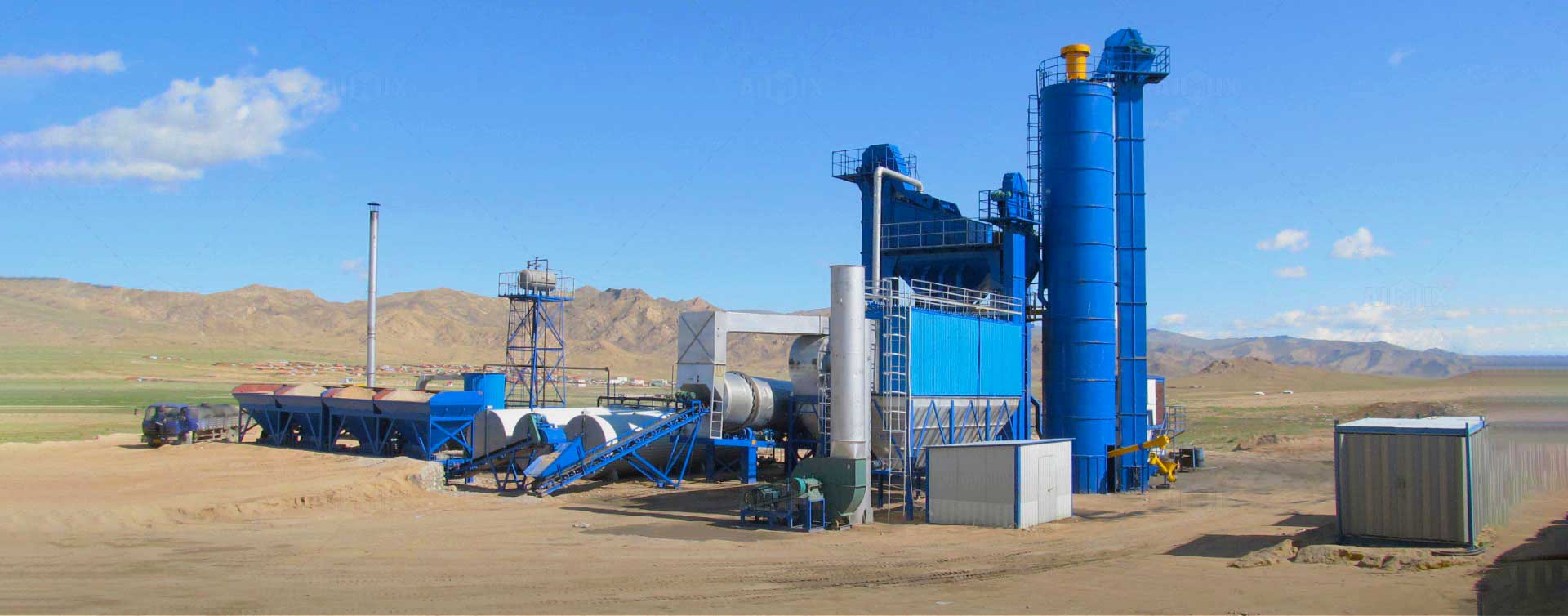
Across Latin America, construction sites face a unique mix of operational challenges, including harsh climates, remote locations, workforce variability, and fluctuating project timelines. In this environment, the reliability and maintainability of production equipment play a decisive role in project success. Asphalt mixing plants, in particular, must not only deliver consistent output but also remain easy to service, repair, and optimize under real-world conditions. This article explores the real needs driving demand for maintenance-friendly asphalt plants(planta asfáltica) at Latin American construction sites and how modern plant designs are addressing these requirements.
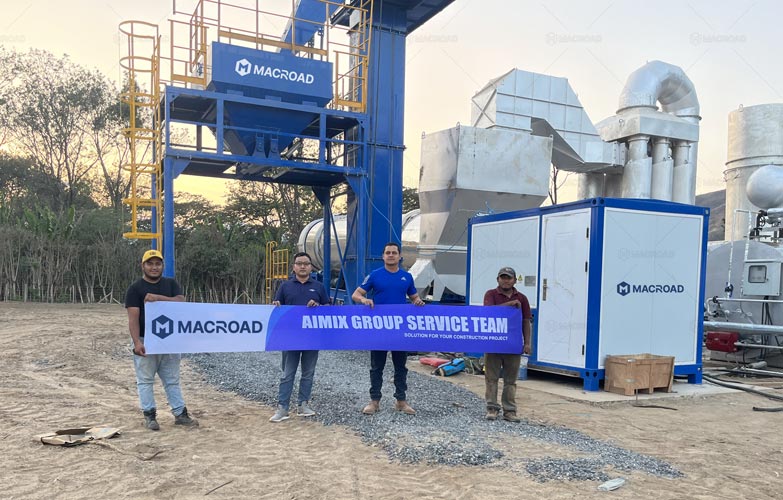
Operational Realities at Latin American Construction Sites
Latin America’s infrastructure development landscape is characterized by diversity. From dense urban highway expansions in Brazil and Mexico to rural road construction in Peru, Colombia, and Central America, project environments vary widely. Contractors often operate in regions with limited access to technical support, spare parts, or specialized maintenance personnel. As a result, equipment downtime can lead to significant cost overruns, schedule delays, and contractual penalties.
In this context, the asphalt plant is not just a production asset but a critical operational backbone. A breakdown in asphalt production can halt paving operations entirely, creating a ripple effect across labor, logistics, and project management workflows. Therefore, the real need is not merely for high-capacity equipment but for systems that are easy to maintain, troubleshoot, and repair on-site.
Climate and Environmental Stress Factors
Construction equipment in Latin America must endure high temperatures, humidity, dust, and in some regions, heavy rainfall. These environmental stressors accelerate wear on mechanical components, electrical systems, and structural elements. Asphalt plants operating in coastal or tropical zones face additional challenges related to corrosion and moisture infiltration.
Maintenance-friendly plant designs that incorporate corrosion-resistant materials, sealed electrical cabinets, and modular component layouts are better suited to these conditions. Such features directly reduce the frequency and complexity of maintenance interventions, enabling contractors to sustain production even under harsh environmental conditions.
The Strategic Importance of Maintenance-Friendly Asphalt Plants
The traditional approach to asphalt plant procurement often prioritized output capacity and initial capital cost. While these factors remain important, contractors are increasingly recognizing that long-term operational reliability and ease of maintenance have a greater impact on overall project profitability.
Modern project economics require a holistic view of equipment value, considering not only the price of asphalt plant(precio de planta de asfalto) at the time of purchase but also its operating cost, maintenance burden, and downtime risk over its service life. Maintenance-friendly asphalt plants reduce the total cost of ownership by minimizing unplanned stoppages, simplifying routine service tasks, and extending component lifespan.
Impact on Project Scheduling and Productivity
Road construction projects often operate under tight schedules, with paving windows constrained by weather, traffic management requirements, and contractual deadlines. In such scenarios, even minor equipment failures can disrupt critical path activities.
Maintenance-friendly asphalt plants are designed to minimize these disruptions. Features such as easily accessible service points, standardized spare parts, and intuitive control systems allow maintenance teams to perform inspections and repairs quickly, reducing downtime and ensuring consistent production flow.
Workforce Skill Variability
Another key reality in Latin American construction markets is workforce variability. While many regions have skilled operators and technicians, there are also projects in remote or underserved areas where specialized maintenance expertise is limited.
Asphalt plants that incorporate user-friendly interfaces, simplified mechanical layouts, and clear diagnostic systems are better suited to these environments. They reduce reliance on highly specialized technicians and enable on-site personnel to handle routine maintenance tasks effectively, improving operational resilience.
Maintenance-Friendly Design Features in Modern Asphalt Plants
Modular Component Architecture
One of the most significant advancements in asphalt plant design is the adoption of modular architecture. Key systems such as burners, feeders, mixers, dust collectors, and control units are now designed as independent modules that can be removed, replaced, or upgraded with minimal disruption to the overall system.
This modularity is particularly valuable in Latin American markets, where access to spare parts may be limited by logistics constraints. The ability to replace a faulty module quickly rather than performing complex on-site repairs significantly reduces downtime and maintenance complexity.
Simplified Mechanical Systems
Maintenance-friendly asphalt plants emphasize mechanical simplicity without sacrificing performance. This includes the use of fewer moving parts, standardized components, and robust mechanical assemblies designed for long service intervals.
For example, modern mixer units in a batch mix asphalt plant(planta de asfalto discontinua) are engineered for durability and ease of access. Wear parts such as paddles, liners, and shafts are designed for rapid replacement, allowing maintenance crews to perform essential service tasks efficiently and safely.
Advanced Diagnostics and Monitoring Systems
Digitalization plays a critical role in enhancing maintainability. Modern asphalt plants integrate advanced diagnostic systems that monitor equipment performance in real time, identify anomalies, and alert operators to potential issues before they escalate into major failures.
These systems provide actionable insights into component wear, temperature deviations, vibration levels, and fuel efficiency. By enabling predictive maintenance, contractors can plan service interventions proactively, avoiding costly emergency repairs and production interruptions.
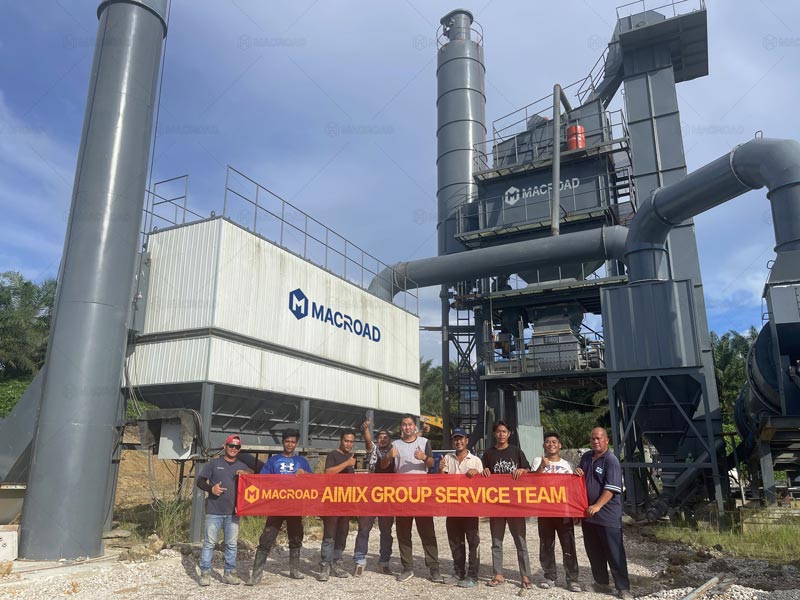
The Role of Plant Type in Maintenance Strategy
Stationary Asphalt Plants
Stationary asphalt plants are typically deployed in long-term, high-volume projects such as highways, industrial zones, and major urban developments. While they offer high output and advanced automation, their maintenance requirements can be more complex due to system scale and integration.
Maintenance-friendly stationary plants incorporate features such as centralized lubrication systems, walk-in platforms for safe access, and automated cleaning functions. These features streamline routine maintenance and enhance safety, reducing labor intensity and downtime.
Mobile Asphalt Plants
The demand for mobile asphalt plants is growing rapidly across Latin America, driven by decentralized projects, rural road development, and short-term construction contracts. In this segment, maintenance friendliness is particularly critical, as mobile units must operate reliably in diverse and often remote environments.
Contractors evaluating mobile asphalt plant price(planta de asfalto móvil precio) increasingly consider not only initial cost but also ease of maintenance and operational reliability. Mobile plants with compact layouts, foldable structures, and quick-connect systems simplify both deployment and service operations, making them well-suited to dynamic project conditions.
Batch Mix Asphalt Plants
The batch mix asphalt plant remains a preferred choice for projects requiring precise mix designs, high-quality output, and frequent material changes. These plants rely on accurate weighing, controlled mixing cycles, and flexible recipe management.
From a maintenance perspective, batch mix asphalt plants benefit from modular mixers, accessible weighing systems, and user-friendly control software. These features enable rapid calibration, cleaning, and component replacement, ensuring consistent performance without excessive downtime.
Economic Implications of Maintenance-Friendly Equipment
When contractors evaluate the price of asphalt plant options, it is increasingly common to extend the analysis beyond initial capital expenditure. Maintenance-friendly designs deliver tangible economic benefits over the equipment lifecycle, including reduced labor costs, lower spare parts consumption, and minimized production losses.
For example, a plant with easily accessible service points and standardized components may require fewer maintenance hours per operating cycle. Over the lifespan of the equipment, this translates into substantial labor savings and improved utilization rates.
Additionally, reduced downtime directly impacts revenue generation. In high-demand construction environments, the ability to maintain continuous asphalt production can determine whether a contractor meets project milestones and secures future contracts.
Supply Chain and After-Sales Support Considerations
Maintenance friendliness extends beyond plant design to include the availability of spare parts, technical documentation, and after-sales support. In Latin America, where import lead times and logistics costs can be significant, reliable supply chains are essential.
Manufacturers that maintain regional warehouses, offer fast spare parts delivery, and provide multilingual technical support enhance the maintainability of their asphalt plants in real-world conditions. Comprehensive training programs for operators and maintenance personnel further improve equipment uptime and operational efficiency.
Remote support technologies, such as online diagnostics, video-assisted troubleshooting, and digital service platforms, are also becoming increasingly valuable. These tools enable rapid problem resolution without the need for on-site technician visits, reducing service costs and response times.
Strategic Implications for Contractors and Project Owners
For contractors and project owners, investing in maintenance-friendly asphalt plants represents a strategic decision rather than a purely technical one. Such investments support long-term competitiveness by improving operational reliability, reducing risk exposure, and enhancing project delivery performance.
In public infrastructure projects, where accountability, transparency, and sustainability are increasingly emphasized, maintenance-friendly equipment also supports compliance with regulatory standards and stakeholder expectations. Reliable production systems reduce the likelihood of project delays, cost overruns, and reputational damage.
From a strategic planning perspective, contractors that prioritize maintainability are better positioned to scale operations, diversify project portfolios, and adapt to evolving market conditions across Latin America.
Conclusion
The real needs driving demand for maintenance-friendly asphalt plants at Latin American construction sites are rooted in operational realities, economic pressures, and strategic imperatives. Contractors operate in challenging environments characterized by diverse climates, remote locations, and variable workforce capabilities. In this context, equipment reliability and ease of maintenance are not optional features but essential performance criteria.
Modern asphalt plant designs, including stationary systems, mobile units, and batch mix asphalt plants, increasingly incorporate modular architectures, simplified mechanical systems, and advanced diagnostics to address these needs. While asphalt plant and mobile asphalt plant price considerations remain important, they are now evaluated within a broader framework of total cost of ownership and long-term operational value.
Ultimately, maintenance-friendly asphalt plants enable contractors to achieve higher productivity, lower operating costs, and improved project outcomes. As infrastructure development continues to accelerate across Latin America, the strategic importance of maintainability in asphalt production equipment will only grow, shaping procurement decisions and industry standards for years to come.