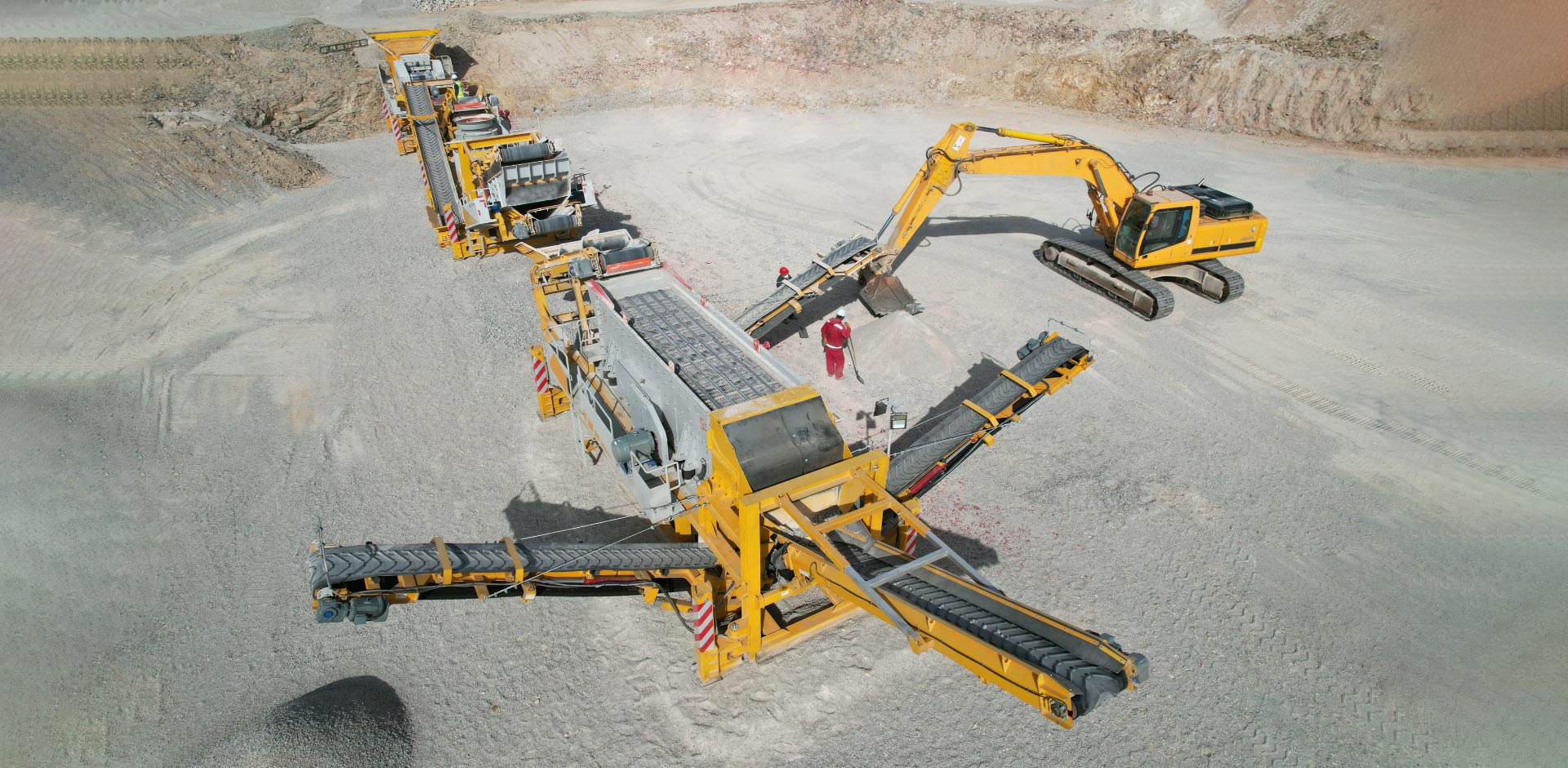
The Middle Eastern construction sector is a study in dynamic contrast, characterized by both formidable challenges and unprecedented opportunity. While economic diversification efforts and ambitious “giga-projects” drive demand for construction materials, the region grapples with logistical complexities, environmental imperatives, and the need for radical operational efficiency. Within this complex landscape, the mobile concrete crusher is not merely a piece of equipment; it is a strategic pivot point. The central argument is this: the very challenges constraining traditional construction methods are the precise catalysts fueling the growth trajectory of the mobile crushing market. The sector’s expansion is not occurring in spite of regional difficulties, but directly because of them, as these machines offer a compelling counter-narrative to the status quo of waste, cost, and inefficiency.
The Challenge of Linear Logistics and the Opportunity of Proximity
One of the most significant burdens in Middle Eastern construction is the tyranny of distance and logistics. Mega-projects, such as NEOM, Red Sea Global, and extensive new transportation corridors, are often situated in remote or geographically challenging areas. The traditional model of sourcing virgin aggregate from distant, fixed quarries and transporting it via fleets of trucks is financially and environmentally unsustainable over hundreds of kilometers.
Cost Abatement Through On-Site Processing
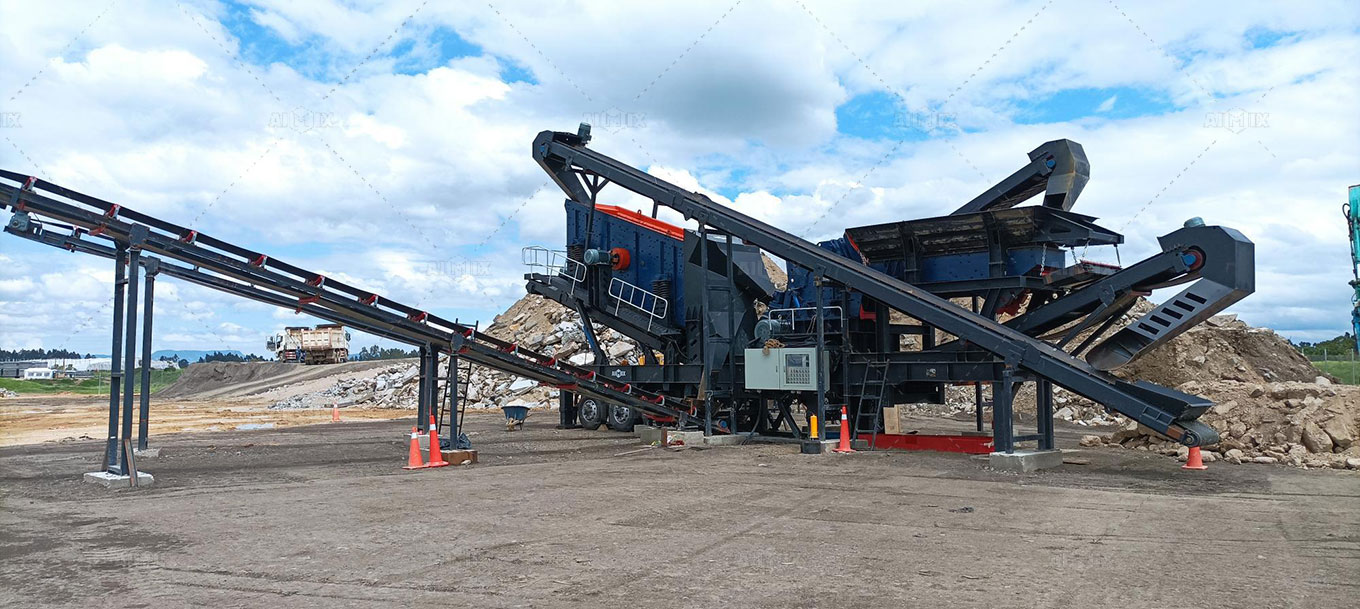
Mobile crushers directly attack this logistical cost center. By deploying a crushing circuit to the project’s periphery, contractors can process site-won rock or imported boulders locally. This eliminates a staggering percentage of heavy truck cycles, resulting in exponential savings on fuel, vehicle maintenance, and labor. The financial logic is inescapable; the capital invested in a mobile plant is often recouped through freight savings alone on a single large-scale project. Furthermore, this proximity allows for just-in-time production of aggregate, reducing the need for vast, space-consuming stockpiles and enabling a more fluid, responsive construction schedule.
Accessing Infeasible Deposits
Beyond established projects, mobility unlocks previously uneconomical material deposits. Smaller, isolated rock formations that could not support a stationary quarry’s infrastructure become viable sources. This decentralization of aggregate production enhances supply security for rapidly developing regions, mitigates price volatility, and reduces the geopolitical friction sometimes associated with cross-border material transport. The challenge of remote work sites is transformed into an opportunity for territorial resource consolidation.
The Challenge of Urban Renewal and the Opportunity of Circular Construction
Concurrent with greenfield giga-projects is the extensive renewal of urban cores across the Gulf. The demolition of outdated structures generates millions of tons of concrete rubble, presenting a dual problem of disposal cost and wasted resource.
Transforming Liability into Asset
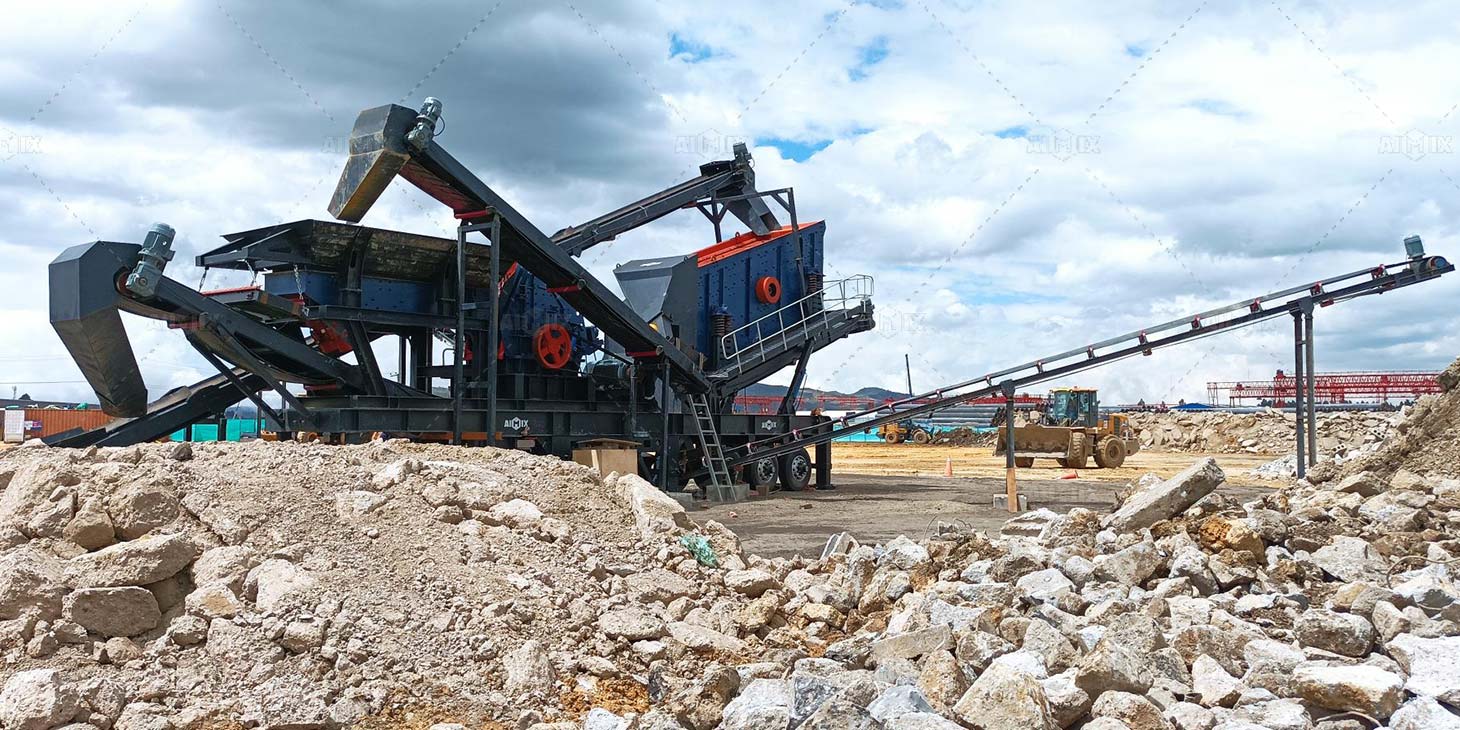
Here, the mobile crusher performs a critical alchemy. It facilitates the transition from a linear “take-make-dispose” model to a circular economy. Concrete waste is no longer a costly burden requiring landfill space. Processed on-site into high-quality recycled concrete aggregate (RCA), it becomes a certified, valuable construction material for use as sub-base, fill, or in new non-structural concrete. This circularity directly addresses growing regional sustainability mandates and landfill diversion targets, turning an environmental and financial liability into a revenue-generating asset.
Navigating Constrained Urban Sites
The compact footprint and self-propelled nature of track crushers are uniquely suited for dense urban environments. They can operate in confined spaces where traditional crushing plants and lengthy truck queues cannot, minimizing disruption to city life. This capability allows demolition and reconstruction phases to be tightly coupled, accelerating urban regeneration projects while dramatically lowering their carbon footprint from material transport. The challenge of urban waste becomes the opportunity for sustainable, efficient urban rebirth.
The Challenge of Operational Rigidity and the Opportunity of Strategic Agility
The pace and scale of development in the Middle East demand a departure from rigid, monolithic operational models. Contractors face the need to seamlessly pivot between large-scale projects, manage multiple smaller sites concurrently, and adapt to rapidly changing project specifications.
The Fleet-in-a-Box Model
A mobile crushing plant is, in essence, a deployable factory. This grants contractors unprecedented strategic agility. The same machine can be utilized on a desert infrastructure project one month and a downtown redevelopment the next. This flexibility maximizes asset utilization, a key metric for profitability in an industry plagued by equipment idle time. It allows firms to bid more competitively on a wider array of projects, knowing they possess the adaptable, on-demand material production capability in-house.
Technological Integration as a Force Multiplier
Modern mobile crushers are no longer simple mechanical devices. The integration of advanced telematics, remote monitoring, and automated process controls transforms them into data-generating nodes. This allows for precise tracking of production output, fuel efficiency, and wear part consumption, enabling predictive maintenance and granular cost management. In a region prioritizing technological adoption, this data-driven approach to crushing operations provides a tangible competitive edge, optimizing efficiency and ensuring equipment readiness. The challenge of managing complex, dispersed operations is met with the opportunity for centralized, intelligent control and superior resource optimization. The growth of the mobile impact crusher market in the Middle East is therefore a rational and inevitable market correction, a direct response to the region’s unique and pressing set of construction imperatives.