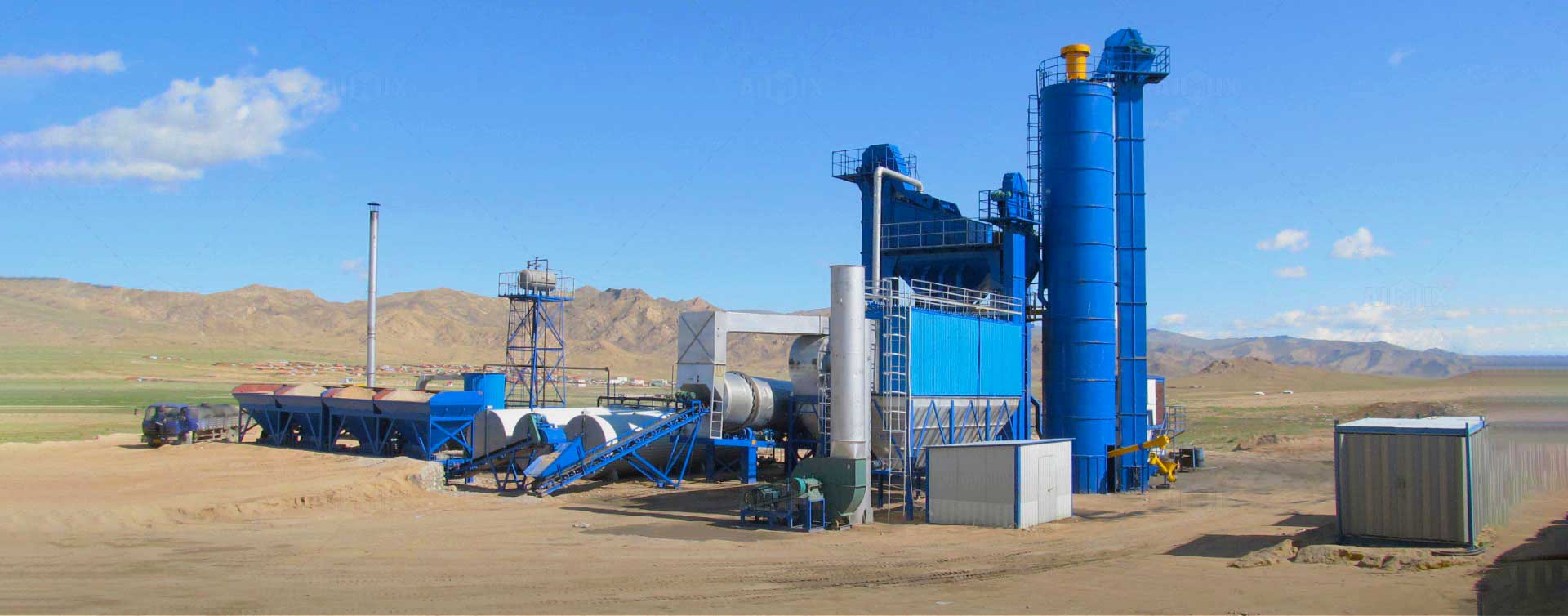
Choosing the right asphalt plant is crucial for construction projects, whether you are building highways, urban roads, or industrial pavements. The performance and efficiency of your asphalt plant directly affect your project cost, timeline, and quality. But how can you accurately evaluate an asphalt plant before purchasing or operating it? In this guide, we explore practical methods and key indicators that contractors, project managers, and engineers can use to assess local asphalt plant performance effectively.

Understanding Asphalt Plant Performance
Before diving into metrics and evaluation methods, it is essential to understand what “performance” means in the context of asphalt production. Performance refers to the plant’s ability to consistently produce high-quality asphalt with minimal downtime, energy consumption, and material waste. High performance ensures that your projects stay on schedule and within budget, reducing operational risks.
Key Factors That Influence Performance
Several factors directly impact an asphalt plant’s performance. First, the type of asphalt plant plays a role. Batch plants and drum mix plants have different output rates and operational requirements. Second, the quality of the equipment itself—including the mixer, burner, and storage systems—determines efficiency. Third, the skills and experience of the operators influence how smoothly the plant runs. Finally, the raw materials and supply chain management also affect performance consistency.
Understanding these factors helps contractors pinpoint areas that may require attention when evaluating plant performance.
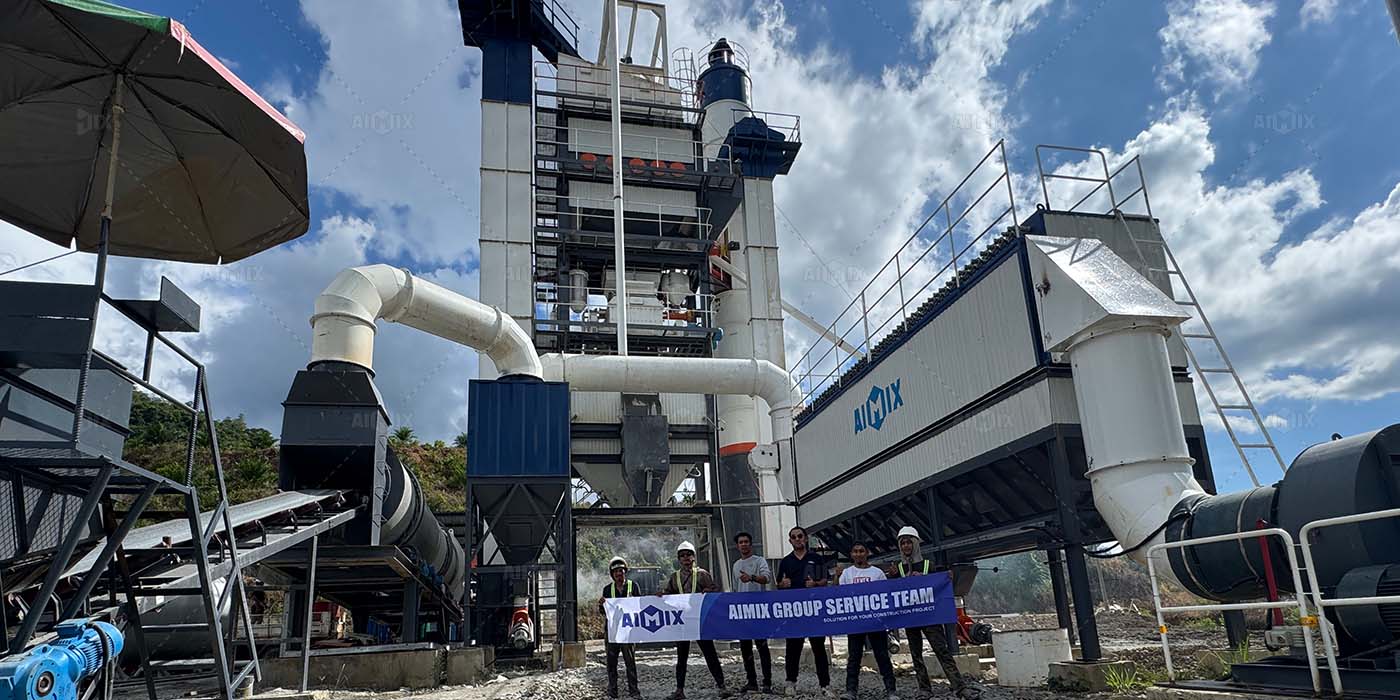
Measuring Production Capacity and Output
Production capacity is the most straightforward measure of asphalt plant performance. It indicates the maximum amount of asphalt a plant can produce per hour or per day. However, actual output often differs from rated capacity due to operational conditions and material handling efficiency.
Rated Capacity vs. Actual Output
Rated capacity is provided by the manufacturer, typically in tons per hour (TPH). Actual output depends on factors such as:
- Material moisture content
- Ambient temperature
- Operator efficiency
- Maintenance schedule
To evaluate the plant’s real-world performance, monitor output over several days under typical operating conditions. Compare the actual output with the rated capacity. A plant that consistently achieves 90% or more of its rated capacity is considered efficient. For example, a hot mix plant producing stable output ensures road quality for large-scale projects.
Project-Based Output Analysis
For contractors, it is useful to evaluate the plant’s performance based on specific project needs. For instance, a road project requiring 500 tons of asphalt per day should assess whether the plant can meet this demand without overtime or quality compromise. Planning output based on project volume ensures your plant investment aligns with operational requirements.
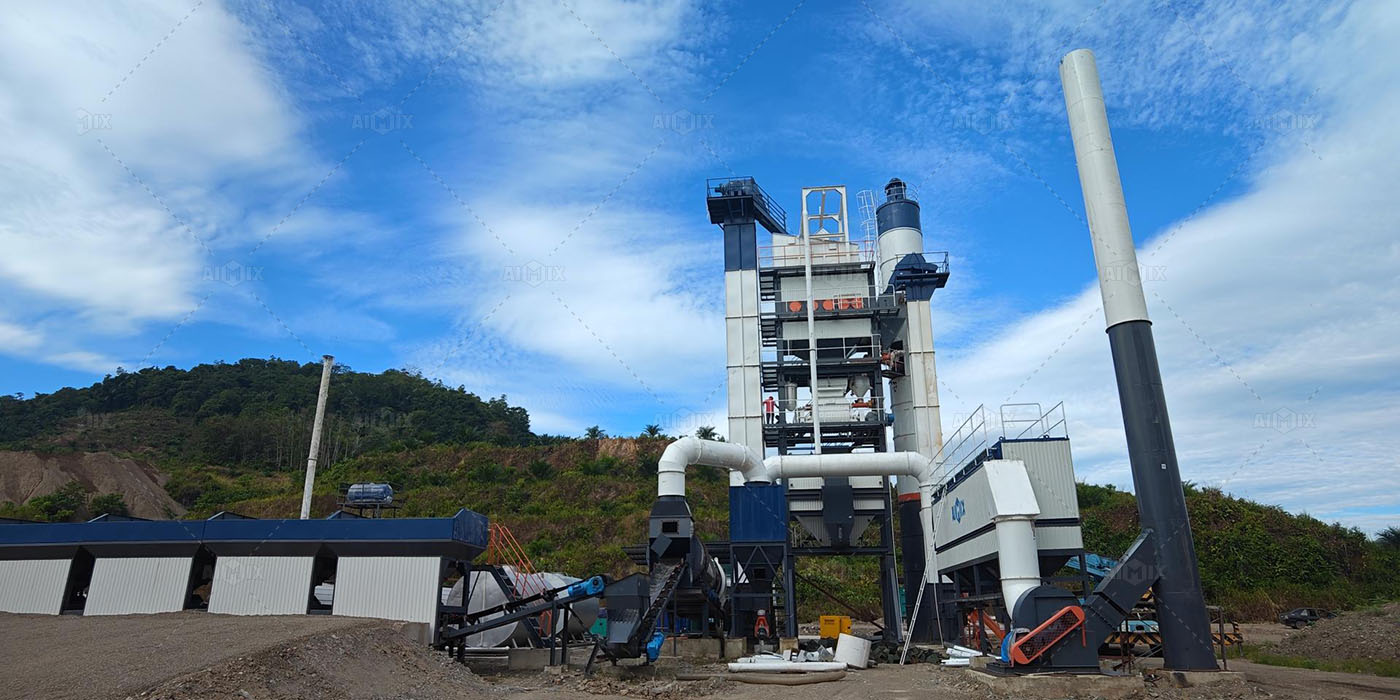
Assessing Asphalt Quality Consistency
Performance is not only about quantity; quality consistency is equally critical. High-quality asphalt improves road durability, reduces maintenance costs, and ensures safety standards are met.
Key Quality Indicators
To evaluate asphalt quality, focus on:
- Mix temperature stability
- Bitumen content accuracy
- Aggregate gradation consistency
- Moisture content of materials
Regular sampling and testing at different times of the production cycle can reveal whether the plant maintains uniformity. Any significant variation in temperature, bitumen percentage, or gradation may indicate inefficiency or equipment issues that need addressing.
Energy Consumption and Environmental Efficiency
Modern construction projects increasingly demand environmentally friendly and energy-efficient operations. Asphalt plants consume significant energy for heating, drying, and mixing. Evaluating energy consumption helps measure efficiency and cost-effectiveness.
Monitoring Fuel Usage
Track fuel consumption relative to asphalt output. Plants that produce more asphalt with lower fuel consumption demonstrate higher operational efficiency. For instance, a batch plant producing 200 TPH using 500 liters of diesel per hour is more efficient than a plant consuming 700 liters for the same output.
Emission Control and Compliance
Environmental compliance is a vital aspect of performance evaluation. Check whether the plant includes emission control systems such as bag filters, dust collectors, and low-NOx burners. Efficient environmental systems not only reduce pollution but also ensure compliance with local regulations, avoiding potential fines and project delays.
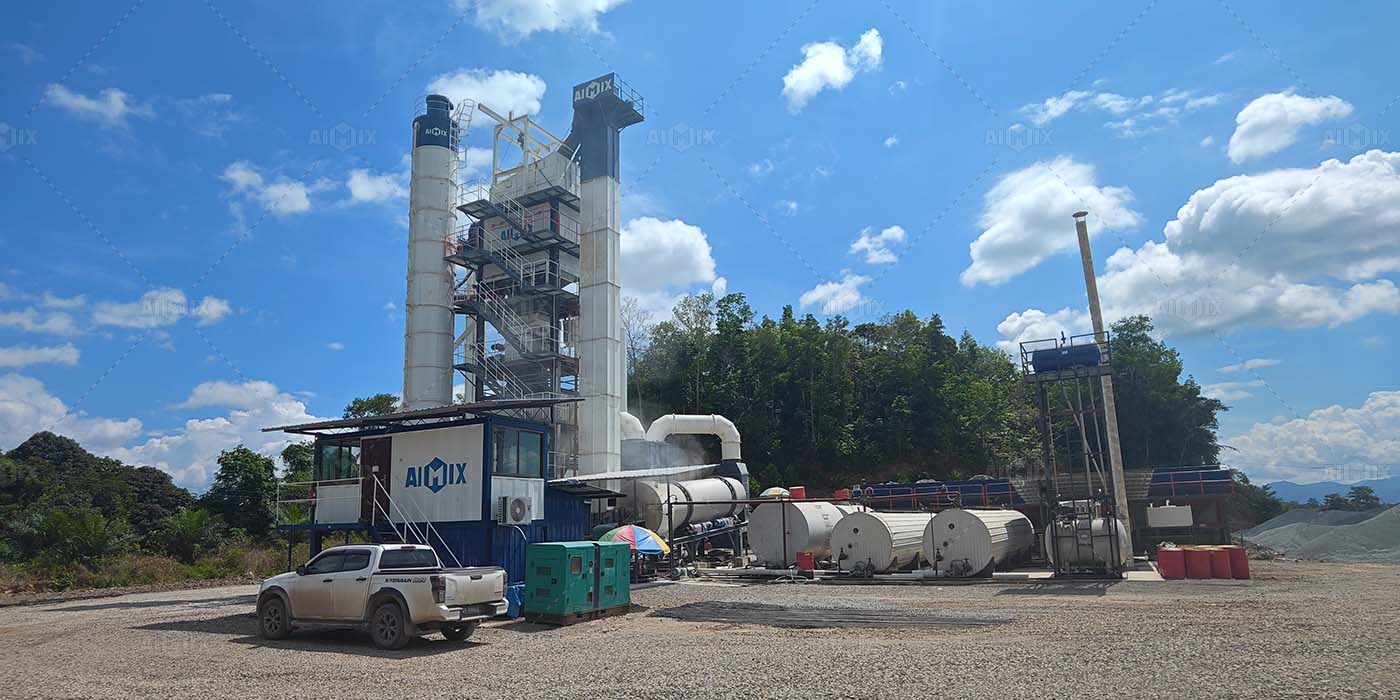
Downtime and Maintenance Efficiency
Even high-capacity plants can underperform if frequent downtime occurs. Downtime affects schedules and can significantly increase operational costs.
Tracking Operational Downtime
Document the frequency and causes of downtime over several months. Common reasons include mechanical failure, material blockages, and operator errors. Plants with robust maintenance systems and readily available spare parts typically have minimal downtime and higher reliability.
Maintenance Practices
Regular preventive maintenance enhances plant longevity and keeps performance stable. Evaluate whether the plant’s design allows easy access to critical components and whether the manufacturer provides clear maintenance guidance and support. Checking asphalt plant price packages often includes maintenance support and warranty considerations.
Cost Efficiency Analysis
Performance evaluation is incomplete without considering operational costs. A high-output plant may appear efficient, but if it consumes excessive energy, materials, or labor, its cost-effectiveness is low.
Calculating Cost per Ton of Asphalt
Divide the total operational cost—including fuel, labor, maintenance, and raw materials—by the total tons of asphalt produced. A lower cost per ton indicates higher efficiency. Comparing this metric across similar plants helps in selecting the most economical solution for your projects.
Optimizing Cost Through Process Improvement
Efficiency improvements can come from better material handling, advanced control systems, or operator training. For example, automated feeders can reduce material wastage, while modern burners lower fuel consumption. Small optimizations can significantly impact overall cost-effectiveness.
Integrating Digital Monitoring and Control Systems
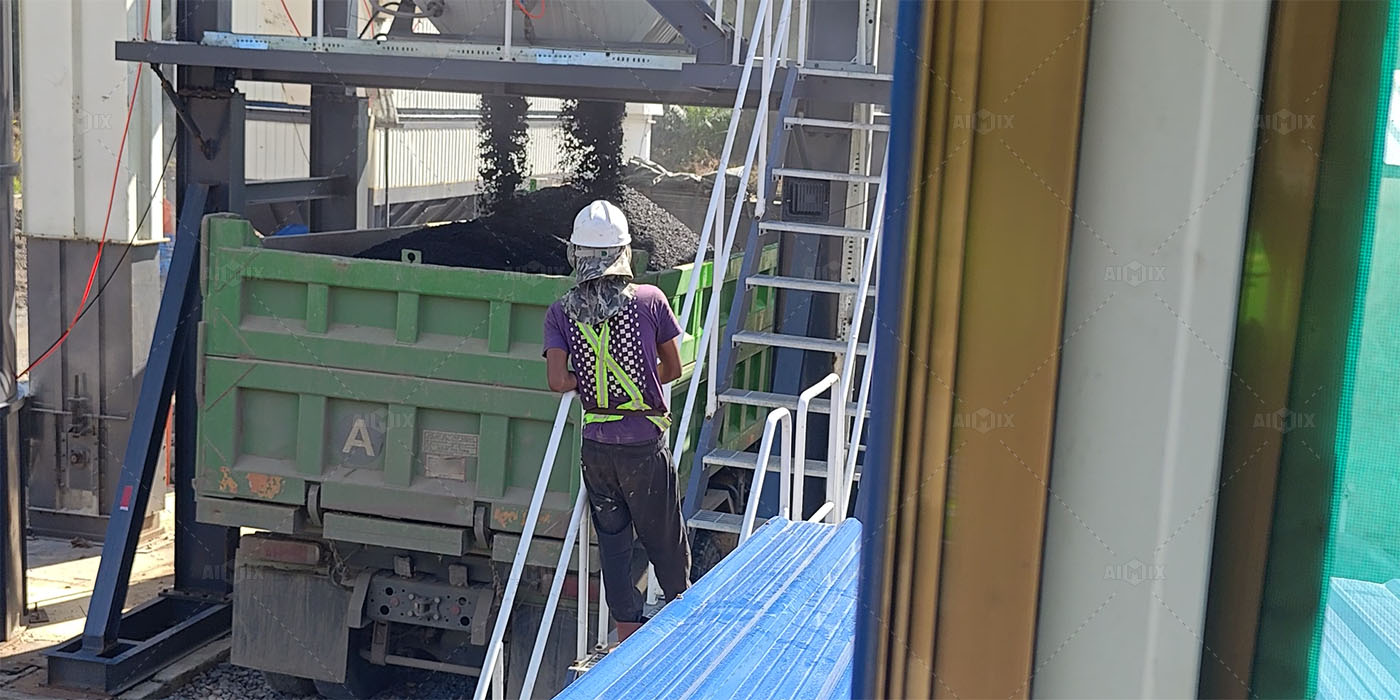
Advanced asphalt plants now feature digital monitoring systems that provide real-time data on production, temperature, fuel usage, and emissions. These systems simplify performance evaluation and help managers make informed decisions quickly.
Benefits of Automation
Automation ensures consistent quality, reduces human errors, and tracks operational efficiency continuously. Contractors can use dashboards to analyze performance trends, identify bottlenecks, and schedule maintenance proactively, ultimately improving project reliability and reducing costs.
Customer and Contractor Considerations
When evaluating asphalt plant performance, it is essential to consider both technical metrics and practical operational requirements. Contractors often look for:
- Plants that meet project volume demands
- Reliable quality for long-term pavement durability
- Low operational cost per ton
- Energy efficiency and environmental compliance
- Ease of maintenance and operator-friendly controls
Considering these aspects ensures that the plant supports not only your immediate project but also your long-term business goals.
Conclusion: Making Informed Decisions
Evaluating asphalt plant performance and efficiency involves analyzing production capacity, quality consistency, energy consumption, downtime, cost efficiency, and automation systems. A comprehensive approach helps contractors select plants that maximize output, reduce costs, and maintain high-quality asphalt production.
Investing time in thorough performance evaluation pays off in project efficiency, long-term savings, and better outcomes for your construction projects. Choose a plant that balances capacity, quality, and operational cost, and ensure your operators receive adequate training for maximum results.
Ready to take your asphalt production to the next level? Start by assessing your project requirements and comparing asphalt plants based on the criteria outlined in this guide. The right choice can transform your project efficiency and profitability.